
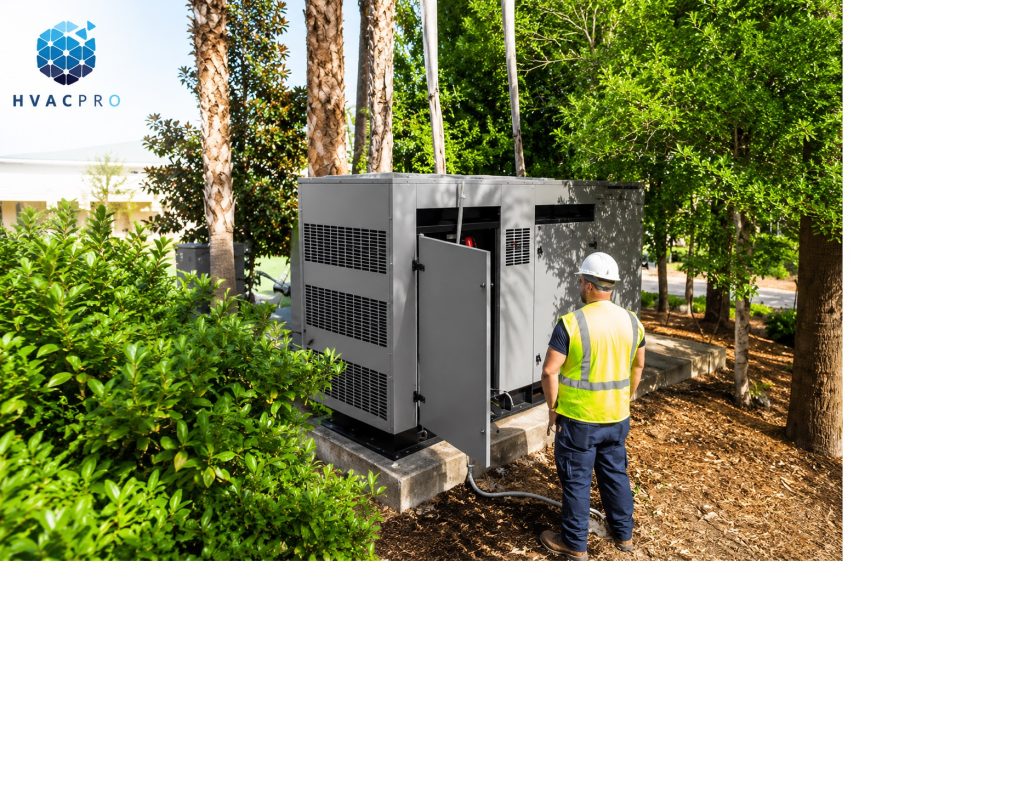
For homeowners planning generator installation in New Port Richey, the most useful question is not simply, “How much does a generator cost?” The real budget depends on the type and size of the generator, the appliances and systems you want to power, site conditions, electrical work, fuel connections, permitting requirements, and the complexity of the installation.
A small backup solution designed to support selected circuits has very different requirements from a permanently installed standby system intended to keep much of a home operating during an extended outage. That is why a realistic project budget should consider the complete installation rather than focusing only on the equipment price.
This guide explains the major cost factors, planning decisions, common mistakes, installation timelines, and questions to ask before choosing a contractor in 2026.
What Determines Generator Installation Cost?
The final cost of a residential generator project is usually influenced by:
- Generator type and capacity
- Whether the system is portable or permanently installed
- The electrical load that must be supported
- Transfer switch and electrical panel work
- Fuel source and connection requirements
- Generator location and site preparation
- Permit and inspection requirements where applicable
- Labor complexity and accessibility
- Noise, clearance, and placement considerations
- Optional monitoring and maintenance features
The best way to compare proposals is to make sure each contractor is pricing the same scope of work. A lower quote may exclude electrical upgrades, site preparation, fuel-related work, permitting, or other necessary components.
Table: Generator Installation Cost Factors at a Glance
| Cost Factor | Why It Matters | Questions to Ask |
|---|---|---|
| Generator size | Larger systems generally require more equipment and installation work | What loads will this generator support? |
| Generator type | Portable and standby systems have different installation needs | Is this designed for temporary or automatic backup? |
| Transfer equipment | Safely manages the connection between utility and generator power | What transfer switch or interlock equipment is included? |
| Electrical work | Existing panels and circuits may affect project scope | Will my electrical system require upgrades? |
| Fuel connection | Fuel type and distance can affect installation complexity | What fuel source is compatible with this system? |
| Site preparation | A stable, accessible installation area may be needed | What preparation is included in the proposal? |
| Permits and inspections | Local requirements can affect cost and scheduling | Who is responsible for permits and inspections? |
| Labor and access | Difficult sites may require additional time and planning | Are there any site-specific challenges? |
Start With Your Backup Power Goals
The right generator starts with an honest assessment of what you want to keep running during an outage. Some households only want essential circuits. Others want to maintain broader comfort and convenience, including HVAC equipment where generator capacity and electrical design allow.
Before requesting proposals, create three categories:
Essential Loads
These may include:
- Refrigeration
- Lighting
- Internet equipment
- Selected outlets
- Security systems
- Medical equipment, where applicable
- Garage door operation
Comfort Loads
Depending on the home and generator design, these may include:
- Air conditioning
- Additional lighting and outlets
- Kitchen appliances
- Laundry equipment
- Entertainment systems
High-Demand Loads
These can significantly affect generator sizing:
- Central air conditioning systems
- Electric water heating
- Electric ranges
- Large pumps
- Multiple simultaneously operating appliances
A professional load assessment is more useful than selecting a generator based solely on square footage. Two similarly sized homes can have very different electrical demands.
2026 Trend: Smarter Load Management
One important trend influencing generator planning is the increased use of intelligent load management. Instead of designing every project around the assumption that every appliance must run simultaneously, some systems can prioritize selected loads.
This approach can help homeowners match the backup system more closely to actual needs. However, the design must be appropriate for the home’s electrical equipment and expected usage.
For example, a homeowner may decide that refrigeration, lighting, communications, and one major comfort system are priorities, while other high-demand appliances can remain off during an outage. That decision can influence generator sizing and the overall project scope.
Generator Installation in New Port Richey: Understanding the Major Budget Components
A complete project usually includes more than the generator itself. When comparing estimates, review each component carefully.
1. The Generator Equipment
The generator is the most visible part of the project, but it is only one portion of the overall installation. Equipment selection depends on:
- Required electrical capacity
- Fuel compatibility
- Automatic or manual operation
- Noise considerations
- Available monitoring features
- Space and placement requirements
Avoid comparing two generators based only on capacity. Installation requirements and included components may differ substantially.
2. Transfer Switch Equipment
A standby generator generally requires equipment that safely transfers electrical service between utility power and generator power. The type of transfer equipment depends on the system design and whether the project is intended to support selected circuits or broader portions of the home.
This component should be clearly identified in the proposal.
3. Electrical Modifications
Older electrical systems, limited panel capacity, unusual circuit layouts, or other site conditions may require additional work. A contractor should inspect the existing electrical setup before finalizing the project scope.
4. Fuel Supply and Connections
Fuel planning is a major part of a permanently installed generator project. The appropriate solution depends on the generator model, available fuel infrastructure, site conditions, and applicable requirements.
Homeowners should ask:
- What fuel source will the generator use?
- Is the existing supply adequate for the planned equipment?
- Is additional fuel-related work necessary?
- Who is responsible for coordinating that work?
5. Site Preparation and Placement
The generator needs an appropriate location that considers access, serviceability, manufacturer guidance, utility requirements, and applicable local rules.
Potential site work may include:
- Preparing a stable base
- Creating access for installation
- Routing electrical connections
- Planning fuel connections
- Addressing drainage or surface conditions
A site that appears simple at first can become more complex once access, routing, and equipment clearances are reviewed.
6. Permits and Inspections
Permit and inspection requirements can vary based on the project and local jurisdiction. Rather than assuming that every project follows the same process, ask the contractor to explain what approvals may apply to your specific installation and who will manage them.
That conversation should happen before the project begins, not after equipment has been ordered.
How Generator Size Affects Overall Value
Choosing a larger generator can increase equipment and installation costs, but choosing a system that is too small can create practical limitations during an outage.
A better decision process is:
- Identify essential loads.
- List comfort loads you would like to maintain.
- Identify high-demand equipment.
- Consider which loads must operate simultaneously.
- Have the electrical demand evaluated.
- Compare generator options based on the actual project scope.
This approach helps prevent two common mistakes: overspending on unnecessary capacity and underestimating the power required for important systems.
A Practical Example
Consider two homeowners in New Port Richey.
The first homeowner wants refrigeration, lights, communications, selected outlets, and basic convenience during outages.
The second homeowner wants a broader backup solution that can support multiple major systems and maintain a more normal household routine.
Even if the homes are similar in size, their generator projects may be very different because their backup priorities are different.
That is why a site assessment and load discussion should come before selecting equipment.
Generator Installation in New Port Richey and Local Site Conditions
Local conditions can influence installation planning in ways that are easy to overlook when researching generators online.
For example, the following can affect the project:
- Available outdoor space
- Electrical panel location
- Distance between the generator and service equipment
- Accessibility for installation and future maintenance
- Existing utility or fuel infrastructure
- Drainage and surface conditions
- Home layout and equipment placement
Homeowners should also think about future service access. A generator placed in a difficult location may complicate maintenance later, even if the initial installation appears convenient.
A quality site evaluation should consider both installation and long-term serviceability.
How Long Does Generator Installation Take?
The physical installation time can vary significantly depending on project complexity. A straightforward installation may move more quickly than a project involving electrical upgrades, fuel-related coordination, site preparation, permits, inspections, or equipment availability.
A typical project timeline may involve these stages:
| Project Stage | What Happens |
|---|---|
| Initial consultation | Discuss backup power goals and property conditions |
| Site assessment | Review electrical system, placement, access, and load needs |
| Equipment selection | Match the generator and components to the project |
| Proposal and planning | Define the scope, responsibilities, and expected process |
| Approvals if required | Address applicable permitting and inspection steps |
| Site and installation work | Prepare the location and install equipment |
| Testing and walkthrough | Confirm operation and explain system use |
The most important lesson is to avoid scheduling a generator installation only after an emergency has already occurred. Equipment availability, contractor schedules, permits, and site coordination can affect timing.
If a homeowner is searching for a generator installation service near me, the strongest starting point is usually a contractor who asks detailed questions about the home and power priorities rather than immediately recommending a specific generator size.
Mid-Article Planning CTA
If you are considering a backup power project, start by documenting the appliances and systems you want to keep running. Then request a site-specific evaluation so you can compare proposals based on the same scope of work.
For homeowners served in New Port Richey, HVAC PRO can be contacted to discuss project requirements and installation planning.
2025-2026 Planning Trends Homeowners Should Consider
Generator technology and homeowner expectations continue to evolve. Several planning trends are especially relevant when evaluating a new system.
Remote Monitoring and Alerts
Many modern systems offer monitoring features that can provide operational information and alerts. The available features depend on the equipment selected.
Before paying extra for connected features, consider whether remote monitoring will provide practical value for your household.
Greater Focus on Load Prioritization
Homeowners increasingly evaluate which systems truly need backup power rather than assuming that every circuit must remain active.
This can support a more intentional design and may simplify decision-making.
Preparing for Longer Outages
Rather than planning only for short interruptions, homeowners may consider how their household would operate during an extended outage.
Questions worth asking include:
- How long could food remain safely refrigerated without power?
- Which communication devices need charging?
- What household systems are essential?
- How will the chosen fuel source support the intended operating period?
- Which appliances can remain off to reduce demand?
Maintenance and Lifecycle Planning
A generator is not a set-it-and-forget-it purchase. Equipment should be maintained according to the manufacturer’s guidance and the needs of the installed system.
When comparing proposals, ask what ongoing maintenance responsibilities the homeowner should expect.
Common Mistakes That Increase Generator Project Costs
Choosing Equipment Before Evaluating the Home
Buying a generator before confirming electrical loads, placement, fuel requirements, and installation conditions can create unnecessary complications.
Comparing Quotes That Include Different Work
One proposal may include site preparation and transfer equipment while another may list only basic installation. Always compare line items and scope.
Ignoring Future Maintenance Access
The generator should not only fit in the chosen location. It should also remain accessible for inspection and service.
Underestimating Fuel Planning
The generator’s fuel requirements should be reviewed as part of the design. Do not treat fuel supply as an afterthought.
Waiting Until a Storm Threat Creates Urgency
Rushed decisions can reduce the time available for proper planning. A generator project is generally easier to evaluate when there is time to compare options and coordinate the necessary work.
Selecting Based Only on the Lowest Price
A low price may be attractive, but the important question is whether the proposal addresses the complete scope. Homeowners should understand exactly what is included before making a decision.
Infographic: A Smarter Generator Buying Decision
STEP 1
Identify what you need during an outage
          |
          v
STEP 2
Review electrical loads and major equipment
          |
          v
STEP 3
Evaluate generator location and fuel options
          |
          v
STEP 4
Confirm installation scope and local requirements
          |
          v
STEP 5
Compare like-for-like proposals
          |
          v
STEP 6
Plan testing, operation, and future maintenance
Emergency Planning: What to Do When Power Backup Is Needed Quickly
An urgent outage concern can make homeowners search for Emergency installation in New Port Richey. However, a permanent generator installation still requires appropriate planning, equipment availability, site evaluation, and any applicable approvals.
If backup power is urgently needed, explain the situation clearly when contacting a contractor. Ask what temporary or permanent options may be appropriate, but avoid bypassing safe installation practices or required project steps.
The best emergency strategy is often preparation before the emergency. A preplanned generator project gives homeowners more time to evaluate equipment and installation options.
Questions to Ask Before Hiring a Generator Installation Contractor
A detailed conversation can reveal whether a contractor understands the full project.
Ask:
- How will my home’s electrical load be evaluated?
- What equipment is included in the proposal?
- Is transfer equipment included?
- What site preparation is expected?
- What fuel-related work or coordination may be necessary?
- Could my existing electrical system require modifications?
- What permits or inspections may apply?
- Who is responsible for managing each stage?
- How will the completed system be tested?
- What maintenance does the equipment require?
Clear answers are more valuable than vague promises.
Comparing Generator Options: A Decision Table
| Homeowner Priority | Planning Focus | Useful Question |
|---|---|---|
| Essential backup | Selected critical loads | Which circuits must remain powered? |
| Greater comfort | More household systems | Which major systems need to operate together? |
| Automatic operation | Standby system design | How will automatic transfer work? |
| Budget control | Right-sized capacity | Can nonessential loads be prioritized? |
| Long outage readiness | Fuel and maintenance planning | How will the system support extended operation? |
| Future flexibility | Expandability and monitoring | Can the system adapt to changing household needs? |
When Is a Generator Project Worth the Investment?
The answer depends on how much value you place on continuity during outages.
A generator may be particularly worth considering when:
- Power interruptions create significant household disruption.
- Essential equipment requires reliable electricity.
- Working from home depends on connectivity.
- Food loss from extended outages is a recurring concern.
- The household wants greater comfort during utility interruptions.
- There are practical reasons to maintain selected systems during an outage.
The goal should not be to buy the most expensive equipment. It should be to choose a system that provides an appropriate balance between cost, capability, complexity, and long-term maintenance.
These topics can help readers move from basic cost research to a more complete installation plan.
How to Compare Proposals Fairly
Before signing a contract, place each proposal side by side and compare the following:
| Item | Proposal A | Proposal B | Proposal C |
|---|---|---|---|
| Generator model and capacity | Check | Check | Check |
| Transfer equipment | Check | Check | Check |
| Electrical modifications | Check | Check | Check |
| Site preparation | Check | Check | Check |
| Fuel-related scope | Check | Check | Check |
| Permit responsibilities | Check | Check | Check |
| Testing and startup | Check | Check | Check |
| Warranty information | Check | Check | Check |
| Maintenance requirements | Check | Check | Check |
Do not simply compare the total at the bottom of the proposal. Identify what each contractor has included and what may become an additional cost later.
Final Checklist Before Moving Forward
- Define essential and preferred backup loads.
- Request a site assessment.
- Review generator sizing based on actual demand.
- Confirm placement and future maintenance access.
- Understand transfer equipment requirements.
- Discuss fuel source and related infrastructure.
- Ask about applicable permits and inspections.
- Compare complete scopes of work.
- Review testing and startup procedures.
- Understand ongoing maintenance responsibilities.
FAQs
1. How much does generator installation in New Port Richey cost in 2026?
The cost can vary widely because each property and backup power goal is different. Your total project budget may include the generator, transfer equipment, electrical work, fuel connections, site preparation, labor, and any applicable permitting or inspection requirements. The most accurate approach is to request a site-specific evaluation and compare detailed scopes of work.
2. How do I know what size generator my home needs?
Generator sizing should be based on the electrical loads you want to operate during an outage. Start by identifying essential appliances and systems, then determine which loads may run simultaneously. A professional load assessment can help match the generator capacity to your actual requirements.
3. How long does a permanent generator installation take?
The installation timeline depends on equipment availability, site conditions, electrical work, fuel coordination, permitting requirements, and inspection scheduling where applicable. Some projects are simpler than others, so a contractor should provide an estimated timeline after evaluating the property.
4. Should I choose a portable or standby generator?
The right choice depends on your budget, backup power goals, desired convenience, and installation requirements. Portable generators may suit selected temporary needs, while permanently installed standby systems can provide a more integrated backup power solution. Comparing your required loads and expected outage needs can help determine which option is more appropriate.
About HVAC PRO
HVAC PRO serves homeowners in the New Port Richey area with professional HVAC and related home comfort services. When planning a generator project, the right approach begins with understanding the property’s electrical needs, backup power priorities, installation conditions, and long-term maintenance considerations. Rather than selecting equipment based only on a product label or a general online estimate, homeowners can benefit from a project-specific discussion that considers the complete installation scope. From initial planning and equipment selection to questions about site conditions and system operation, a careful evaluation can help homeowners make a more informed decision about their backup power needs.
Conclusion: Planning Generator Installation in New Port Richey for 2026
A successful generator installation in New Port Richey begins with planning, not simply purchasing equipment. The total project cost depends on generator capacity, electrical load requirements, transfer equipment, fuel planning, site conditions, labor, and any applicable approvals.
The smartest approach is to define what your household truly needs during an outage, evaluate those requirements at the property, and compare detailed proposals that cover the same scope of work. This helps prevent unexpected costs, oversized equipment, insufficient capacity, and installation decisions that create problems later.
Whether you are planning ahead for storm season, evaluating a long-term backup power solution, or simply comparing options for your home, taking the time to understand the complete project can lead to a more practical and confident decision.
Request a Generator Installation Consultation
If you are considering a generator project in New Port Richey and want to discuss your property’s requirements, contact at (813) 658-5761 or use the contact form to request more information. A project-specific discussion can help clarify your backup power priorities, installation considerations, and the next steps for your home.
